Mission Statement: To educate and preserve the history and heritage of wilderness trails as a resource for all future generations to experience and enjoy.
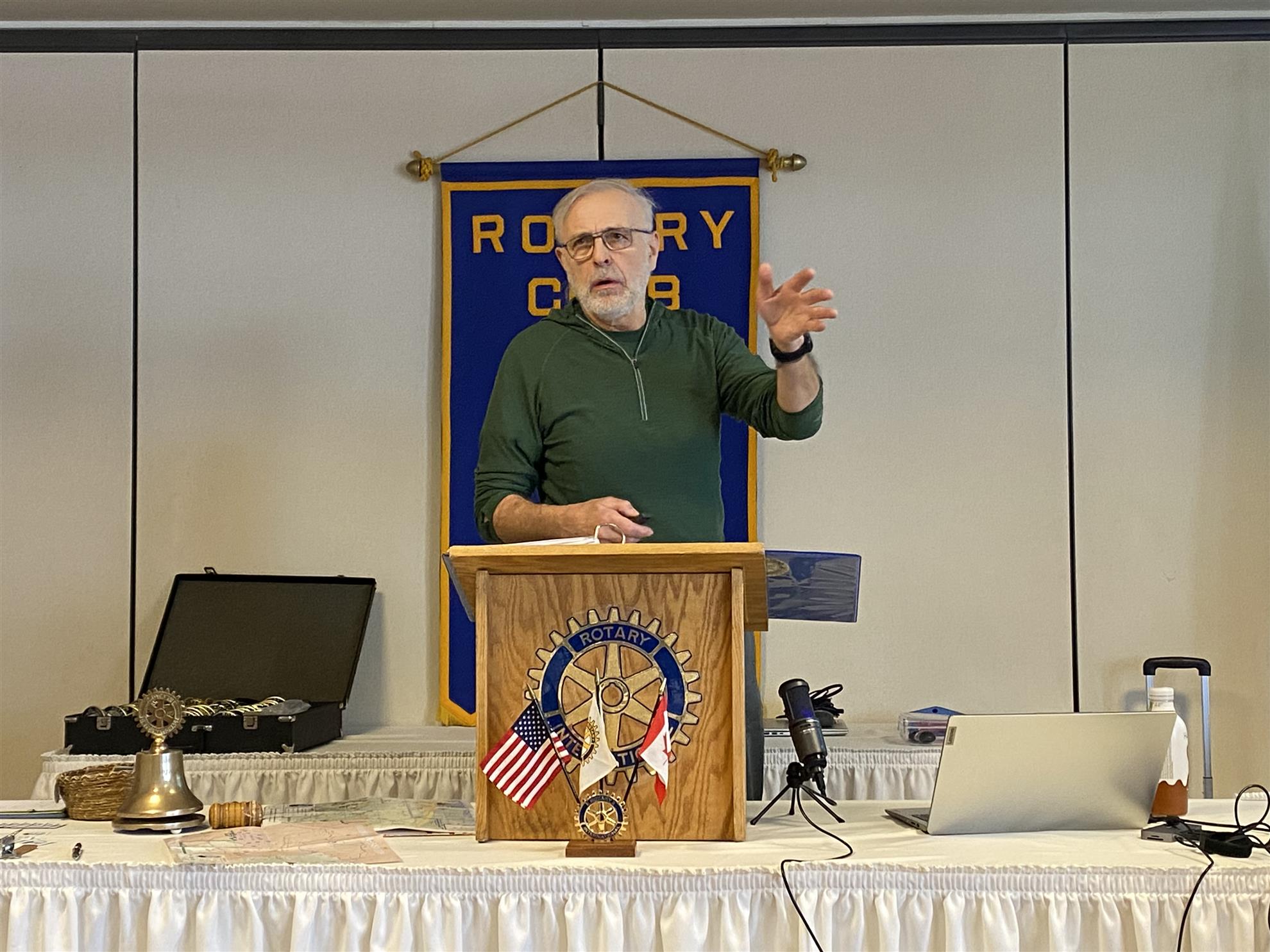
Martin Kubik was born in Prague, Czech Republic, what used to be Czechoslovakia. He immigrated in 1969. He worked at 3M, He is a lifelong BWCA trail advocate. He led efforts to save the Kekekabic, Powwow and other trails.
Speaker highlights:
- Organization is a 501c3 nonprofit
- Established in 2023
- Run by volunteers and member supported
- Board members represented by Twin Cities, Duluth and Babbitt
History:
Hiking trails utilized the logging roads and roads for the lookout towers. The Powwow trail was built mostly from logging trails. The public lobbied the Forest Service and the legislature vigorously to keep trails viable.
Trails are vulnerable to funding for clearing vs navigation by lake and portages when there are 5-10 miles of portages to clear and every mile of a hiking trail has to be cleared and maintained. There are more canoeists and campers than there are hikers, so it becomes a matter of economics.
Other vulnerabilities are events such as the 1999 storm of the century that took down 250 year old pines making the Kekekabic Trail impassable and the Pagami Creek fire that burnt a majority of the Powwow Trail.
These events make trail permits drop because people hear of the difficulties and closures and they go somewhere else. The Forest Service considers decommissioning the trails that are not used on a regular basis. There are no historic records of trails that have been decommissioned. If you or others know of trails that once existed let us know.
The Stewart Trail or Lac Lacroix are examples of Heritage historic trails we are aware of that have been decommissioned.
There are a number of legislations that provide authority to restore the trails:
- The 1964 Wilderness Act
- The BWCA Wilderness Act of 1978
- NEPA
- CATEX
- National Traisl Systems Volunteer Act (2016)
- Explore Act
Part of the legislation does not require known historic trails to undergo environmental impact statement scrutiny because of previous activity. Being able to identify previously known trails can save time and funding for re-development of the trail. The legislation provides for the Forest Service to work with volunteers to bring the trails back.
European countries value the expansive wilderness coming from highly populated European countries that have roads and electrical lines that crisscross their country to accommodate development and many who have immigrated here volunteer to maintain trails as they consider them a treasure.
In Japan they look upon old trails and revere them like they do elders.
Vigilance and questions asked by interested parties saved trails more than once. Without the public keeping good records of trail systems they are vulnerable to loss without advocates to keep them open. Legislators are a big help to support keeping trails open and on the registers. Jim Obestar, Bruce Vento and Rick Nolan are past legislators who have been trail proponents. Working with the Forest Service has been key.
Trails lost and brought back:
- Kekekabic (1990 and 1999)
- Sioux Hustler Trail - 1992
- Powwow Trail - 1993 and 2011
- Brule Lake Trail - 1999
Trails waiting to be rescued:
- Stuart Lake Trail
- Gneiss Trail
- Kelso Mountain Trail
100 Year Goal
Martin mused about what future generations would think about decisions made today.
The North Country Trail is an example of working together to make trails work. This effort is using the rescued Kekekabic Trail and the Superior Hiking Trail to link as part of the 4,000 mile trail that will go from New York to Minot, North Dakota rather than having to go over wetlands west of Duluth with a major cost to build.
We had a guest speaker on the trail (See the newsletter Ozzie Reif - North Country Trail Association from 9/18/2024)
Another win with the Forest Service indicates the support of hiking trail access:
- Beginning this year, NCNST hikers through the BWCAW have two new entry points available #90 & #91 for thru-hikers accessing the trail as it enters the eastern and western edges of the BWCAW.
- Allow a thru-hiker to legally exit and reenter the BWCAW when they cross the Gunflint Trail
- Avoid the need for overlapping permits
- Protect visitors from unnecessarily paying multiple BWCAW permit fees.
Heritage Trails hopes to open the east loop of the Powwow Trail in time. Right now the west loop is 55 miles long and maintained.
Volunteers provide the equipment and labor that it takes to keep the trails open and maintained with no cost to the Forest Service. There are organizations such as the Boundary Waters Advisory Committee who take care of the management of volunteers, scheduling and tracking of hours.
What do the efforts of keeping trails open and maintained offer? A sense of freedom, being in nature, a place you can recreate yourself from a different perspective from every day life, better mental health, and providing a resource for others. (Physical health)
Next steps:
- Catalog trails
- Collaborate with the USFS and assess viability
- Scan historic maps available on line
- Publish tribal stories
- Create public awareness
- Support from the public through speaking and hiking clubs
Closing comments:
"Honor the past, imagine the future" from Milllenial Committee, Hillary Rodham Clinton was the chair. They asked for trail nominations to honor 16 National Millennium Trails. Martin nominated the Kekekabic Trail that was acknowledged by the committee.
"Our vision is to leave a positive legacy and to make a difference for those who will literally follow in our footsteps."
Thank you to Martin for all of his stories, history and information on Bpundary Waters Heritage Trails and the work to identify, and preserve old trails in the area.
For more information:
.png)